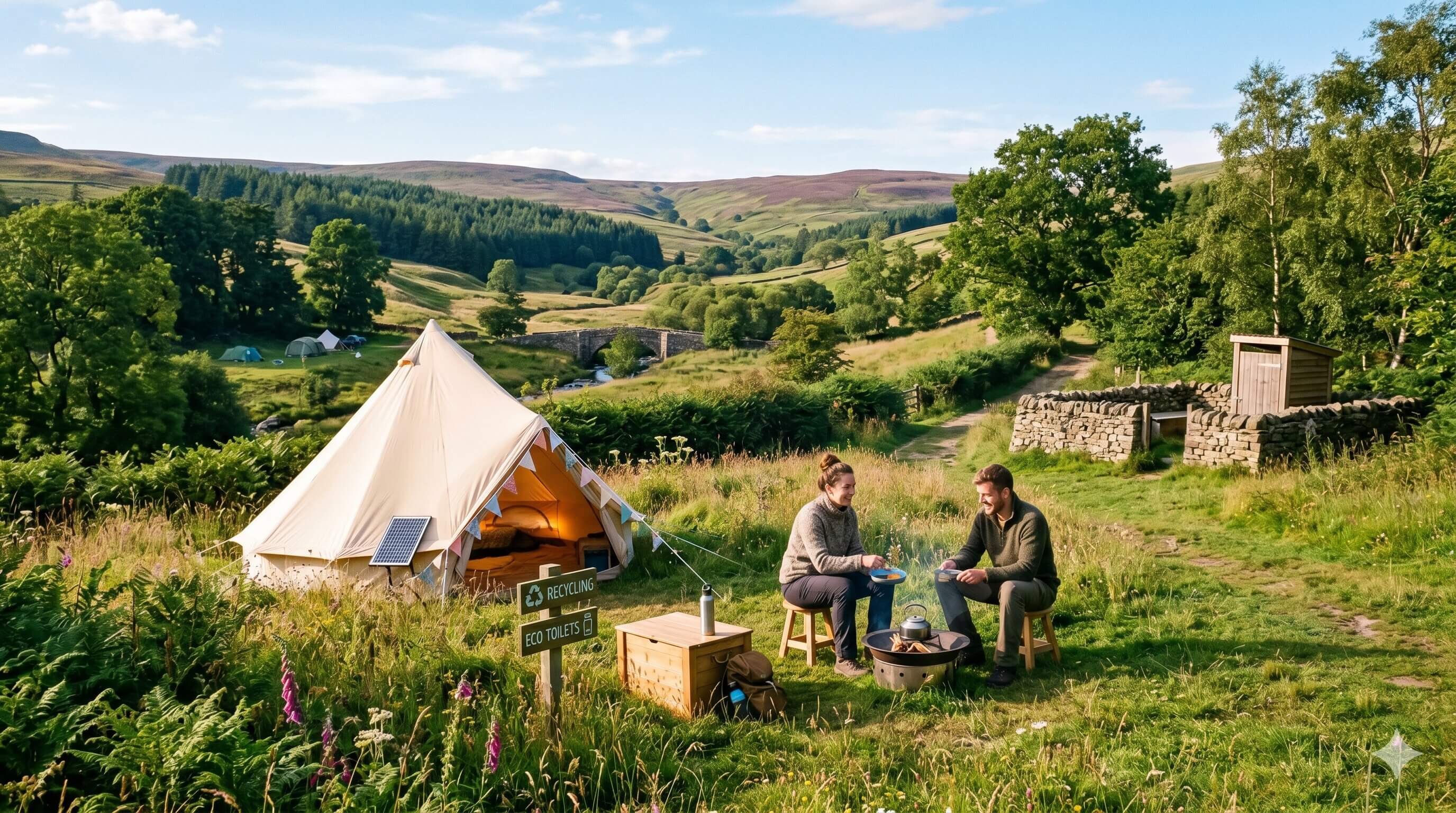
There is a quiet thrill to waking up in a remote field, kettle humming on solar-charged power, with no hookup cable in sight. Off-grid camping used to mean roughing it, but modern solar technology has made it possible to travel comfortably while staying connected to nature.
Today, a modest set of solar panels for camping can keep your lights glowing, your phone charged, and your water pump running, all from sunshine.
Here is what this guide covers:
- How solar power actually works when you are camping
- How to choose the right panel for the way you camp
- What size panel do you need, and is it good value
- How to pair it with safe drinking water off grid
- Why it all adds up to a more sustainable camping trip
Why Solar Panels for Camping Make Sense Off Grid
Solar panels for camping are panels that turn sunlight straight into electricity. According to the Camping and Caravanning Club, the basic idea is simple:
- The panel soaks up sunlight and charges a battery.
- You draw your power from that stored battery, not the panel directly.
- It happily runs your lights, a TV, or a water pump.
- It will not power a thirsty kit like a kettle or toaster, so do not expect miracles there.
The Real Appeal: Freedom
With the right solar system, you can park up anywhere the sun reaches and stay put for days. The headline benefits of solar power for camping include:
- Silent, fume free power. Unlike a petrol generator, a panel makes no noise and emits nothing while running.
- Almost no maintenance. An occasional wipe to clear dust is all most panels need.
- True independence. No hunting for an electric hook up and no campsite power fees.
- A lighter footprint. Clean energy that suits anyone exploring the best sustainable campsites in the UK or planning a low impact camping staycation.
This green thinking runs through everything from your shelter to your bedding. Choosing natural fibres for outdoor blankets or a roomy bell tent fits a solar lifestyle beautifully.
Choosing the Right Solar Setup for Camping
Your ideal panel depends on how you camp. Helpful guides like GreenMatch and Practical Caravan split the choices into three main types.
Portable Folding Panels
These are perfect for tent campers and anyone packing light, and they sit nicely alongside your other camping essentials for beginners. They fold into a rucksack and unfold to face the sun.
Rigid Roof Mounted Panels
These suit campervans and caravans, generating power even on the move, to learn more, see the solar guide.
Solar Generators
A panel paired with a portable power station offers the most flexibility for families who need more output from a single, grab and go unit.
A Quick Buying Checklist
Before you commit, keep these points in mind:
- Panel type: some panels are pricier but more efficient, while cheaper ones need to be a bit bigger to do the same job.
- Power needs: as Out and About Live explains, even a small panel keeps phones, lights, and a battery topped up.
- Battery storage: the panel charges the battery, so match your battery to the kit you actually use.
- Your trip style: solar is worth it, depending on how often you camp and how remote your trips tend to be.
What Size Solar Panel Do You Need for Camping?
You do not need to be an electrician to work this out. It really comes down to one question: What do you want to keep running while you are away? Here is a simple way to think about it:
- Just the basics. If you only need to top up a phone, a headtorch, and maybe a little speaker, a small folding panel is all you need.
- A comfortable weekend. For lights, charging a couple of phones, and a water pump, a medium panel will see you through nicely.
- Keeping a cool box or fridge going. This is where most families land, and a larger panel with a good battery keeps your food and drinks cold.
- Living off grid for longer. If you are away for weeks with lots running at once, you will want a bigger setup and plenty of battery to match.
One thing worth knowing in Britain, our weather means panels rarely deliver as much as the label promises, especially on grey days. The simple fix is to choose a slightly bigger panel than you think you need, so you have a little in reserve when the clouds roll in. If running a fridge is your main goal, it is worth looking at a few camping solar guides before you buy.
Are Solar Panels for Camping Good Value?
A folding panel for keeping phones and lights going is an affordable bit of kit, while a larger setup that runs a fridge costs more. A full solar generator, which pairs a panel with a power station, sits at the top end and depends on how much battery you want.
Whatever you spend, it tends to earn its keep. Set against campsite hook-up fees and the endless cost of disposable batteries, a panel usually pays for itself within a few seasons of regular trips, and the freedom it buys is hard to put a price on.
Powering an Eco Conscious Trip
Solar power lets you go further off-grid, which is the heart of wild camping. Reliable power also means you can keep a cosy setup running, whether that is fairy lights strung around your campfire setup or a fan in summer heat.
Solar suits almost every camping style, including:
- A relaxed day camping trip where you just need to charge a phone or two.
- A festival weekend with speakers, lights, and cameras to keep alive.
- A luxurious stay at one of the top glamping campsites where comfort matters.
Whichever you choose, solar keeps the experience smooth without a generator’s noise or fumes. Gear up at one of the best camping shops in the UK and explore options across the UK’s top campsites.
The Wellbeing Payoff
Going off-grid is not just practical. It is good for you. Time outdoors is linked to real health benefits of being in nature, and there are dozens more wellbeing benefits of camping worth exploring.
The good news keeps coming:
- The NHS suggests at least 150 minutes of moderate activity a week, which is easy to clock up on an active camping trip.
- The National Trust notes that almost nine in ten adults in England say being in nature makes them happy.
- The mental health charity Mind explains how time outdoors can lift your mood and ease stress.
Pack Smart, Camp Light
A solar setup rewards a little planning. Before you head out:
- Check the forecast so you know how much sun to expect.
- Angle your panels toward the sun and keep them clear of shade.
- Match your battery to the kit you plan to run.
- Pack thoughtfully, including a good festival raincoat, a warm blanket wrap, and our tips for staying cosy when camping.
Travelling with a dog? Browse our dog-friendly family festivals too.
Frequently Asked Questions
Do solar panels work for camping in the UK?
Yes. Solar panels work in the UK even on cloudy days, because they run on daylight rather than direct heat. You will get less power than in sunnier countries, so it helps to choose a slightly larger panel and angle it toward the sun. In summer, a mid-sized panel easily keeps phones, lights, and a small fridge going.
What size solar panel do I need for camping?
It depends on what you want to run. For charging a phone and a few lights, a small folding panel is plenty. For a weekend with a water pump and lights, step up to a medium one. And if you want to keep a cool box or fridge going, a larger panel paired with a good battery is the comfortable choice for most UK campers.
Can a solar panel run a camping fridge?
It can, as long as it is paired with a suitable battery. A larger panel and a decent battery will keep a camping fridge cold, and it is worth sizing up if you are away for longer or expecting cloudy weather.
Are solar panels for camping worth it?
If you camp off-grid, wild camp, or take regular trips away from hook-up sites, solar is well worth it for the silent, free power and the freedom to roam. For occasional campsite stays with an electric hookup, it is more of a nice-to-have than an essential.
Keep up-to-date with camping tips and advice. Subscribe to the newsletter below: