Organising a vintage fashion catwalk show is exciting, and it comes with its own challenges. I’ve organised many shows to present my own designs, and when I worked as a fashion lecturer I put on a show every year for my students’ work. Here are my top tips.
What you’ll need
- A venue
- Models
- Designers
- A catwalk
- Music
- Make-up artists
- Posters, flyers and programmes
Why organise a fashion show?
Fashion shows help designers get noticed, give models experience, and look great on an event organiser’s CV. They’re also a brilliant way to meet people and get involved in your local community.
You’ll need to be organised, professional and good with people. If you’ve never done it before, give it a go. Enthusiasm counts for a lot, and you might discover hidden talents.
Build your team
Create a buzz by getting fashion-loving people involved. Post adverts on social media for models, photographers, make-up artists, designers, and front-of-house and backstage helpers.
Hold a recruitment meeting where anyone interested can come along and share ideas. Set a firm date for the show, and give everyone a list of meetings and rehearsals as early as you can.
Once you have the right people, give each person a clear role and make sure they know exactly what they’re responsible for.
Market your show
- Advertise in as many places as you can, on social media and locally. Local advertising brings in people from your own community.
- Ask your local paper to write about the show. Put up posters and flyers in colleges, community centres and bars.
- Don’t forget word of mouth. The more people involved, the faster the word spreads and the more tickets you’ll sell.
- Ask for a free venue in return for a share of ticket sales, or by promising a busy night at the bar.
- Offer free advertising in your programme to businesses that give their time, raffle prizes, goody bags or sponsorship.
- Sell tickets in advance. Early bird prices or extras like goody bags help sales.
- Offer sponsorship at different levels. For example, £20 for an advert in the programme, or £40 for an advert in the programme and on the posters.
- Think about giving any profit to a local charity. People often work harder and give more when they know it’s for a good cause.
Plan the show
- Hold a full dress rehearsal before the big night. Plan every minute, because good timing is what makes the night run smoothly.
- Split the show into scenes. A scene might be one designer’s collection, or a break for drinks.
- Write a detailed running order. Decide the order of the designers, which models wear which outfits, and how many outfits are in each scene. Check the models have enough time to change. Guest speakers can fill the gaps between collections.
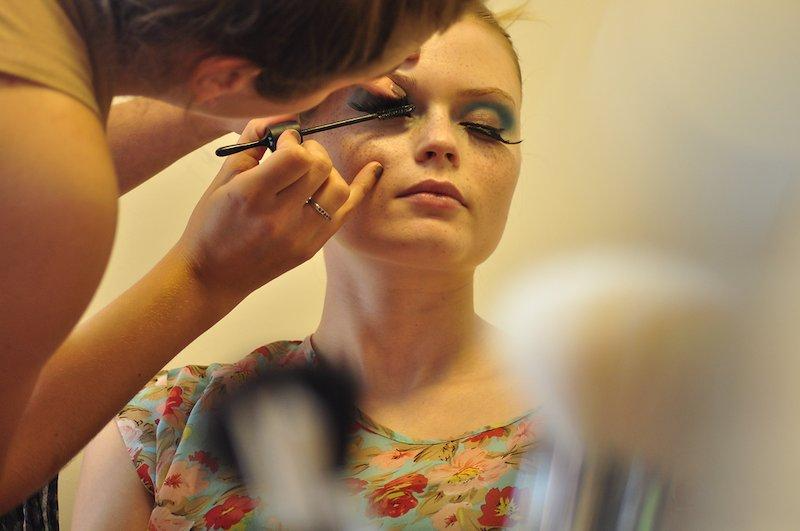
- Ask models, stylists and designers to arrive at least an hour early, so there’s time for hair and make-up.
- You’ll need front-of-house staff to check tickets, show guests to their seats, hand out programmes and answer questions.
- Choose a stage manager to run the music and lighting. They’ll need a good view of the catwalk and all the equipment to hand.
On the night
- It’s show time! Start with upbeat music and an enthusiastic welcome from your host.
- Invite local journalists, influencers and photographers, and give them the best spot at the end of the catwalk. Flashing cameras as the models pose create a real catwalk atmosphere.
- Keep the audience involved between scenes with a charity auction or guest speakers.
- You could even have an X Factor-style panel of local celebrities to judge the designers and pick a winning collection.
- End in true catwalk style, with the designers and models on stage for their applause. Thank everyone involved, from the make-up artists to the people on the door.
The buzz on the night is a wonderful feeling, and the more you plan, the more you’ll enjoy it. Good luck!
Top tip: use your show to build your own brand. Photos from the night are great for promoting yourself afterwards.
These days I teach beginners to sew. If you’d like to make your own clothes, start with my free sewing cards. One card teaches one skill, and every make takes 2 hours or less. You can also read more about my story.
Leave a Reply