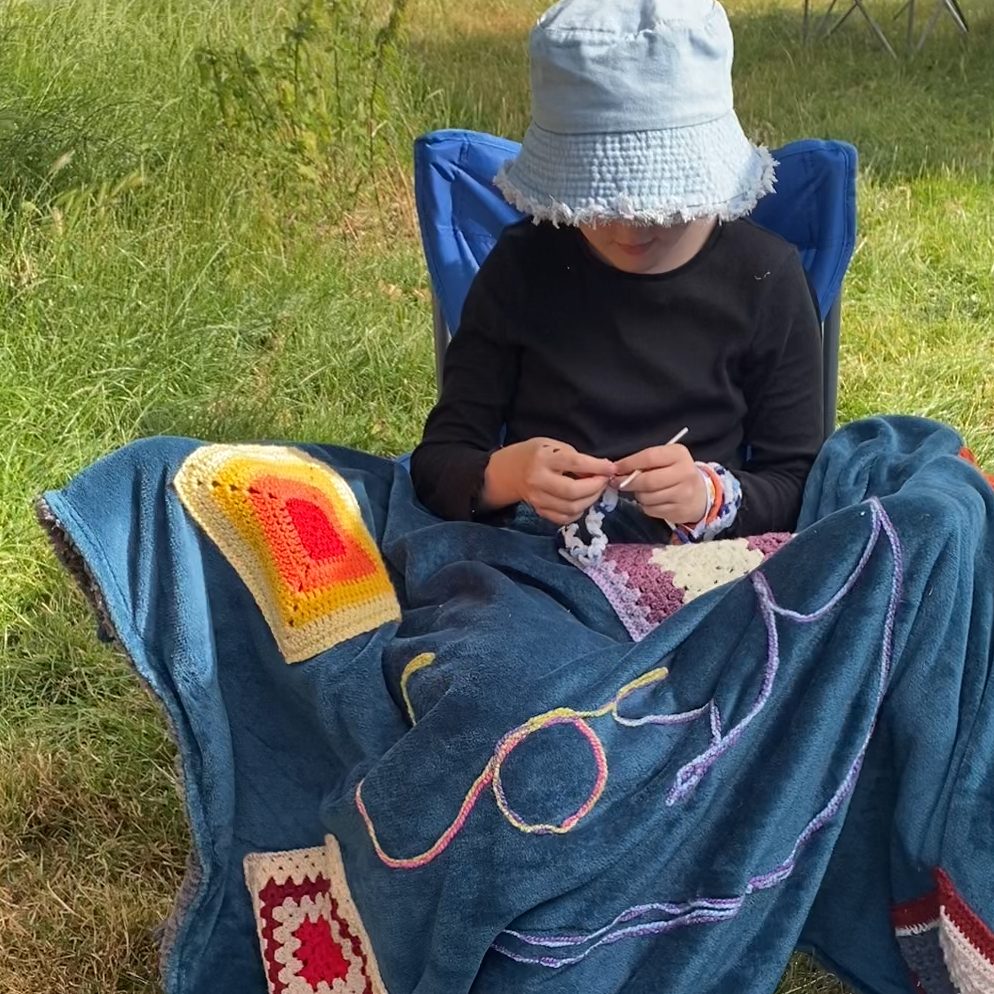
Being outdoors gives us something that modern life rarely does. Permission to slow down.
Without constant notifications, busy schedules, and endless to-do lists, spending time outdoors creates the perfect opportunity to reconnect with ourselves, strengthen relationships, and improve our well-being.
Studies continue to highlight the science-backed health benefits of being in nature, and research from Mind confirms that time in green spaces can significantly reduce stress and anxiety. Many campers report coming home feeling:
- Happier — mood lifts noticeably after even a short time outdoors
- Calmer — green spaces lower cortisol and ease feelings of anxiety
- More connected — shared outdoor experiences strengthen relationships
- More present — nature draws attention away from screens and into the moment
If you are planning a weekend escape or a longer outdoor adventure, these mindful activities to do outdoors can help you make the most of your time in nature and discover the top wellbeing benefits of being outdoors for yourself.
1. Practise Outdoor Yoga
Yoga and camping are a perfect combination.
Roll out a mat beside your tent, breathe in the fresh air, and move through a gentle sequence of stretches while listening to birdsong and the sounds of nature. The British Wheel of Yoga recommends outdoor practice specifically for deepening the mind-body connection, as natural settings help reduce cortisol and heighten body awareness.
Benefits include:
- Improved flexibility and posture
- Reduced stress and anxiety
- Better balance and coordination
- Increased mindfulness and presence
2. Read a Book Without Distractions
Many of us struggle to find uninterrupted reading time at home.
Being outdoors offers the perfect environment to curl up under a blanket and lose yourself in a good book. According to a University of Sussex study, just six minutes of reading can reduce stress levels by up to 68%, more effective than listening to music or going for a walk.
3. Hand Sew or Repair Outdoor Gear
Hand sewing is one of the most underrated mindful activities to do outdoors.
If you are repairing a loose button, stitching a small tear, or working on a simple embroidery project, sewing encourages deep focus and patience. Occupational therapists at Calm have linked repetitive craft activities, including sewing, to reduced anxiety and improved mood.
4. Keep a Nature Journal
Bring a notebook and record your observations throughout the day.
You might write about:
- Wildlife sightings and species spotted
- Weather changes and cloud formations
- Thoughts, reflections, and feelings
- Gratitude lists
- Sketches of the landscapes around you
The Mental Health Foundation has found that connecting with and reflecting on the natural world supports positive mental health, with journaling an excellent tool for processing thoughts and building lasting memories.
5. Go for a Mindful Nature Walk
Walking without a destination can be surprisingly powerful.
Instead of rushing to complete a route, focus on:
- The texture of tree bark beneath your fingertips
- The scent of wildflowers and damp earth
- The layered sounds of birds around you
- The feeling of the ground shifting underfoot
Natural England and Forestry England both champion slow, contemplative walking as a restorative practice. The National Trust and Woodland Trust offer wonderful routes to explore across the UK.
6. Create a Sketchbook or Watercolour Journal
You don’t need to be an artist to enjoy sketching outdoors.
Drawing landscapes, trees, flowers, or your campsite encourages you to slow down and truly observe your surroundings.
Many people find creative activities especially relaxing around a cosy campfire set-up in the evening, warm blanket in hand, sketchbook balanced on their knees.
7. Practise Wildlife Watching
Find a comfortable spot, sit quietly, and observe nature.
You may spot:
- Woodland birds and raptors
- Butterflies, bees, and pollinators
- Deer, rabbits, and foxes
- Dragonflies near water
- Bats at dusk
Helpful UK resources include the RSPB, The Wildlife Trusts, and the British Trust for Ornithology. The Butterfly Conservation charity also offers guides to identifying common species. This simple, screen-free activity develops patience, awareness, and a genuine appreciation for the natural world, some of the most meaningful wellbeing benefits of being outdoors.
8. Play Meaningful Board Games or Card Games
Spending time outdoors is a fantastic opportunity to strengthen relationships with family and friends.
Instead of reaching for your phone, gather around the table for:
- Classic card games
- Travel board games
- Storytelling and creative games
- Conversation card decks
Research from Action for Happiness shows that face-to-face play and conversation are among the most reliable ways to build connection and improve mood. Building stronger bonds is one of the many reasons families spend time together outdoors year after year.
9. Practise Sustainable Outdoor Living
Mindfulness extends beyond ourselves and includes our impact on the environment.
Simple mindful habits include:
- Conserving water and washing up with eco-friendly products
- Reducing waste and recycling wherever possible
- Using reusable containers, bottles, and wraps
- Supporting eco-friendly and low-impact camping
10. Stargazing and Night Sky Photography
As darkness falls, one of the most magical mindful camping activities begins.
Wrap yourself in a warm blanket, look up, and simply observe the night sky. The International Dark-Sky Association identifies dozens of certified dark-sky sites across the UK, while Royal Observatory Greenwich provides brilliant guides for beginners to identify constellations and understand what they’re seeing. UK National Parks such as Exmoor, Galloway Forest, and Brecon Beacons are among the best stargazing destinations in the country.
It’s the perfect way to end a peaceful day outdoors and a powerful reminder of why we step away from screens and into the open air.
Being outdoors does not require meditation cushions or complicated routines. Sometimes it’s as simple as reading a book, practising yoga, sewing by the campfire, sketching a landscape, or watching the stars overhead.
By choosing activities that encourage you to slow down and engage with the present moment, you can return home feeling refreshed, connected, and inspired by the restorative power of nature.
Subscribe to the newsletter below: