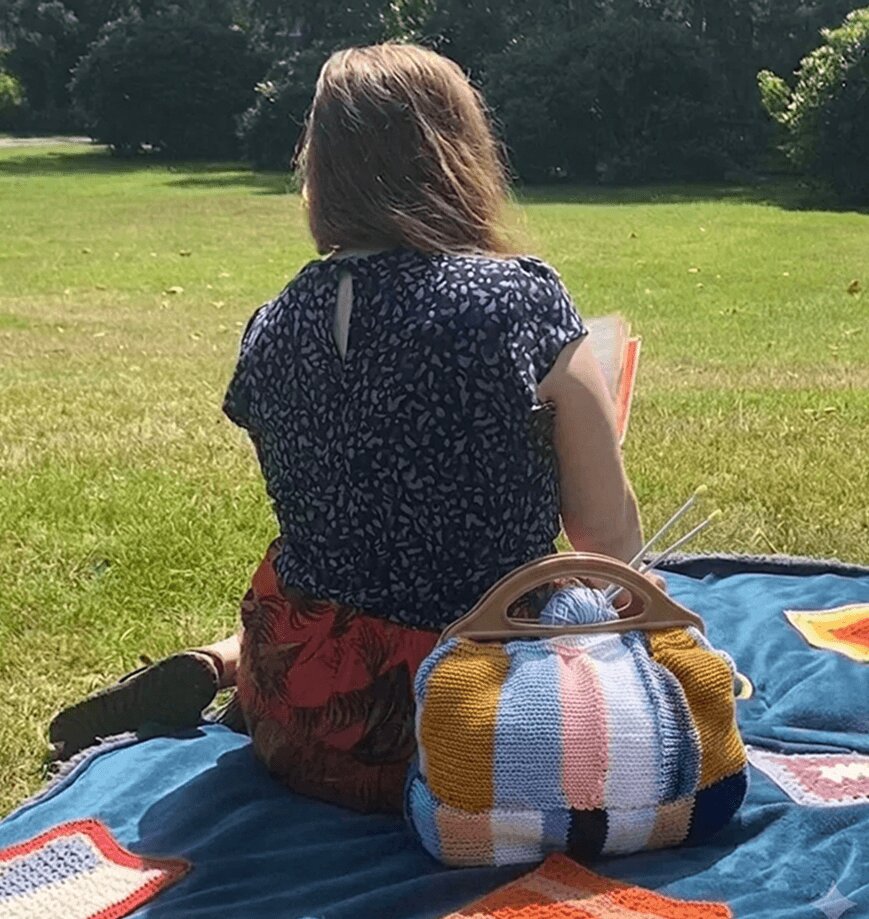
There is something quietly magical about a day spent entirely outside.
No alarm for the morning after. No tent pegs to wrestle in the dark. Just you, a blanket, a good flask of something warm, and a long stretch of green ahead of you.
That is day camping, and if you have not tried it yet, this guide is your invitation.
In this guide, you will find:
- What day camping actually is and how it differs from a picnic
- Why more people across the UK are discovering it right now
- Exactly what to bring, from the essentials to the nice-to-haves
- The best places to go, all across the country
- How to actually slow down and enjoy it once you are there
If you are a complete beginner or a seasoned outdoor enthusiast, day camping is the easiest and most relaxed way to start building a real relationship with the natural world. The good news? You probably already have most of what you need.
What Is Day Camping?
Day camping is simply spending a full day in nature without staying overnight. You choose a spot and you stay there, properly, for the day.
Popular day camping locations include:
- A forest clearing with soft lighting and birdsong
- A beach with space to spread out and nowhere else to be
- A quiet riverbank or canal towpath
- A hillside with a view worth sitting with for hours
You arrive, settle in, slow right down, and head home when the light fades.
It is camping as a way of living without the logistics of sleeping outdoors. No tents. No sleeping bags. No lying awake at 3am wondering if it will rain. Just the good parts.
Think of it as the gap between a picnic and a full camping trip and, honestly, for many people, it is the best of both worlds.
Day Camping vs a Picnic: What Is the Difference?
A picnic is a lovely thing. But a day camping trip is something else entirely.
A picnic typically looks like this:
- A couple of hours outdoors at most
- Centred around eating, then leaving
- A quick stop rather than a destination
Day camping is a different experience altogether:
- It lasts most of the day, from morning to dusk
- It focuses on being outside rather than simply eating there
- It moves at a slower, more intentional pace
- It feels restful and immersive rather than busy and fleeting
Day camping is about staying. Watching the light shift. Finishing your book. Having a second cup of tea. Noticing things you normally rush past.
It is less about what you do and more about how long you give yourself to simply be somewhere beautiful.
Why Day Camping Is Having a Moment
More people than ever are searching for simple, low-cost ways to slow down and spend meaningful time outside, and day camping sits right at the sweet spot.
The Mental Health Foundation has long championed the link between time in nature and improved wellbeing. Mind describes nature as one of the most accessible tools we have for managing stress and anxiety. Research published via the NHS consistently shows that even short periods outdoors can meaningfully shift your mood.
No wonder people are turning to the simplest version of nature time they can find.
For more on the science behind why the outdoors does us such good, do not miss our deep dive into the top 10 science-backed health benefits of being in nature and our longer read on the top 50 wellbeing benefits of being outdoors.
Day camping is popular because it is:
- Beginner-friendly, with no experience needed whatsoever
- Low cost and easy to organise at short notice
- Spontaneous enough to decide on the morning of
- Flexible enough to work for families, couples, solo adventurers, and groups of friends
- Genuinely restorative in a way that very few other activities are
What to Bring for a Day Camping Trip
You really do not need much. The whole beauty of day camping is its simplicity. Here is a practical checklist to get you started.
The Essentials
A good camping blanket. This is the most important item on your list. It is your base, your warmth layer, your picnic rug, and your comfort all rolled into one.
Food and drinks. Pack more than you think you will need. You will be surprised how much you eat when you have been outside all day with fresh air and open space around you.
A quality thermos. Brands such as Hydro Flask and Stanley make brilliant options for keeping drinks hot for many hours. A warm drink mid-afternoon can completely transform how a day feels.
Layers. UK weather is famously changeable. What begins as a sunny morning can feel quite cool by late afternoon, so pack a fleece or mid-layer even in summer.
A comfortable rucksack. A good bag makes all the difference when you are carrying everything for the day. Osprey and Deuter are reliable UK-stocked options worth considering.
Nice-to-Haves
These are not essential, but they can make a good day a genuinely great one:
- A cushion or seating pad for real comfort over several hours
- A good book or journal for a quiet, luxurious afternoon
- A small portable speaker, kept at a considerate volume in shared spaces
- Sunscreen and insect repellent, essential from late spring through summer
- A reusable cup and cutlery, far more pleasant than disposables and much kinder to the environment
If you are heading somewhere with a fire or BBQ area, our guide to creating the perfect cosy campfire setup is full of ideas for making the very most of it.
The Best Places to Go Day Camping in the UK
You do not need to travel far or go remote. Some of the best day camping spots are far closer than you think.
Forests and Woodlands
Forestry England manages hundreds of forests across England with designated picnic areas and, in some locations, permitted BBQ zones. Many are free to access and reachable by car or public transport.
The Woodland Trust offers access to thousands of free woodland spaces across the UK, making it brilliant for a quiet, leafy day out. Their site includes a searchable map of woods near you.
Rivers and Canals
The Canal and River Trust looks after 2,000 miles of waterways in England and Wales, many of which have riverside picnic spots and walking paths worth exploring. National Trails routes such as the Thames Path are particularly lovely for a slow day out.
Beaches and Coastlines
Visit Britain and Visit England both have excellent resources for planning coastal day trips. The variety of coastline across the UK is genuinely extraordinary:
- The dramatic sea stacks and cliffs of Cornwall and Pembrokeshire
- The wide, quiet sandy beaches of Northumberland
- The rugged beauty of the Scottish Highlands coast
- The sheltered bays and coves of Devon and Dorset
The National Trust protects significant stretches of coastline and offers a searchable finder for outdoor spots worth visiting.
Local Parks and Countryside
Ordnance Survey maps are the gold standard for finding public footpaths and access land. AllTrails UK and Komoot are both brilliant apps for discovering easy walks and picnic-friendly spots near you.
For rules around public land access and rights of way, GOV.UK’s countryside access guidance is worth a quick read before you head somewhere new.
Using a Campsite as a Day Base
This is an underrated option that more people should consider. Booking a pitch at a campsite and using it as a full-day base gives you access to:
- Clean toilet and washing facilities throughout the day
- Running water for cooking and cleaning up
- Sometimes a café, farm shop, or on-site facilities
- A beautiful, well-chosen setting you can truly relax in
Sites on Pitchup, Cool Camping, and Campsites.co.uk often have settings that make for a genuinely wonderful full-day experience.
Our guide to the best camping staycations in the UK for 2026 and our best sustainable campsites guide are full of brilliant ideas, especially if you want somewhere that treads lightly on the landscape.
BBQ Day Camping: What You Need to Know
If a barbecue is part of your day, there are a few things worth knowing before you light up.
BBQ rules in the UK vary enormously by location, landowner, season, and current wildfire risk. Always check signage on arrival and never assume it is permitted.
Places where BBQs are sometimes allowed, with restrictions:
- Forestry England designated BBQ areas in selected forests
- National Trust sites, in specific permitted zones only
- Loch Lomond and The Trossachs National Park, subject to strict fire rules and seasonal restrictions
- Some city parks with controlled grill zones (check your local council website)
- Some Canal and River Trust riverside spots, though rules vary by site
Before any outdoor fire or BBQ, it is worth checking the Met Office Fire Severity Index, especially during dry summers. If you are in Scotland, the Scottish Outdoor Access Code covers responsible fire use in detail and is essential reading.
How to Actually Enjoy a Day Camping Trip
Here is a secret: the best day camping trips do not have an itinerary.
The rhythm of a good day tends to look something like this:
- Arrive without a fixed plan. Pick your spot and settle in before you do anything else.
- Get comfortable first. Blanket down, drinks out, layers sorted.
- Resist the urge to fill the time. Let the day unfold at its own pace.
- Eat slowly. This is not a lunchbreak. It is a meal worth sitting with.
- Notice things. The light changing, the sounds shifting, how you feel after an hour without your phone.
- Leave only when it naturally feels right, not because of a schedule.
If you are going with family, this unhurried approach works beautifully with children. Unstructured outdoor time is genuinely beneficial for children’s development, and they tend to find their own way into it without much encouragement.
Day Camping and Wellbeing: Why It Actually Works
This is not just about having a nice day out, though it absolutely is that. Spending extended, unhurried time in nature has real, measurable benefits backed by decades of research.
The NHS notes that time outdoors is linked to reduced anxiety, better sleep, and improved mood. Calm has written thoughtfully about the restorative effect of natural environments on a stressed mind. The Mental Health Foundation found that 45% of people reported that visiting green spaces helped them cope during times of stress.
Day camping is particularly effective at:
- Reducing stress by stepping away from screens and schedules
- Strengthening relationships through shared and unhurried time together
- Improving focus, because nature restores the kind of soft, open attention that modern life steadily depletes
- Building a sustainable habit, because the barrier to entry is genuinely so low
That last point matters more than it might seem. A one-off camping holiday is wonderful, but a regular day camping practice, once a month or once a season, can genuinely shift how you relate to the outdoors and to the people you bring with you.
Eco-Conscious Day Camping: Leaving No Trace
If you want your time outdoors to leave as little trace as possible, there are some simple and meaningful things you can do.
A few easy habits that make a real difference:
- Pack a reusable bag for rubbish and leave your spot cleaner than you found it
- Choose natural fibre blankets and accessories where you can. Our natural fibres guide is a good starting point
- Use solid sunscreen and plastic-free toiletries when you are near water
- Bring a reusable water bottle and avoid single-use plastics entirely
- Follow the countryside code and stay on designated paths where required
Our guide to 50 ways to make your camping more sustainable is full of practical, achievable ideas for anyone who wants to enjoy nature responsibly.
The Leave No Trace Centre for Outdoor Ethics and Keep Britain Tidy are also excellent external resources for anyone wanting to deepen their understanding of responsible outdoor access.
Day Camping Is for Everyone
You do not need experience. You do not need expensive kit. You do not need a whole weekend free.
You just need three things:
- Somewhere beautiful to go
- Something warm and comfortable to sit on
- A willingness to let the day take its time
A good camping blanket, a quiet spot, and a few unhurried hours can truly be enough.
For now, find your spot, take your blanket, and go spend a day outside.
Want more like this? Browse the full blog or read our story to find out what Collette Costello is all about.
Keep up-to-date with camping tips and advice. Subscribe to the newsletter below: