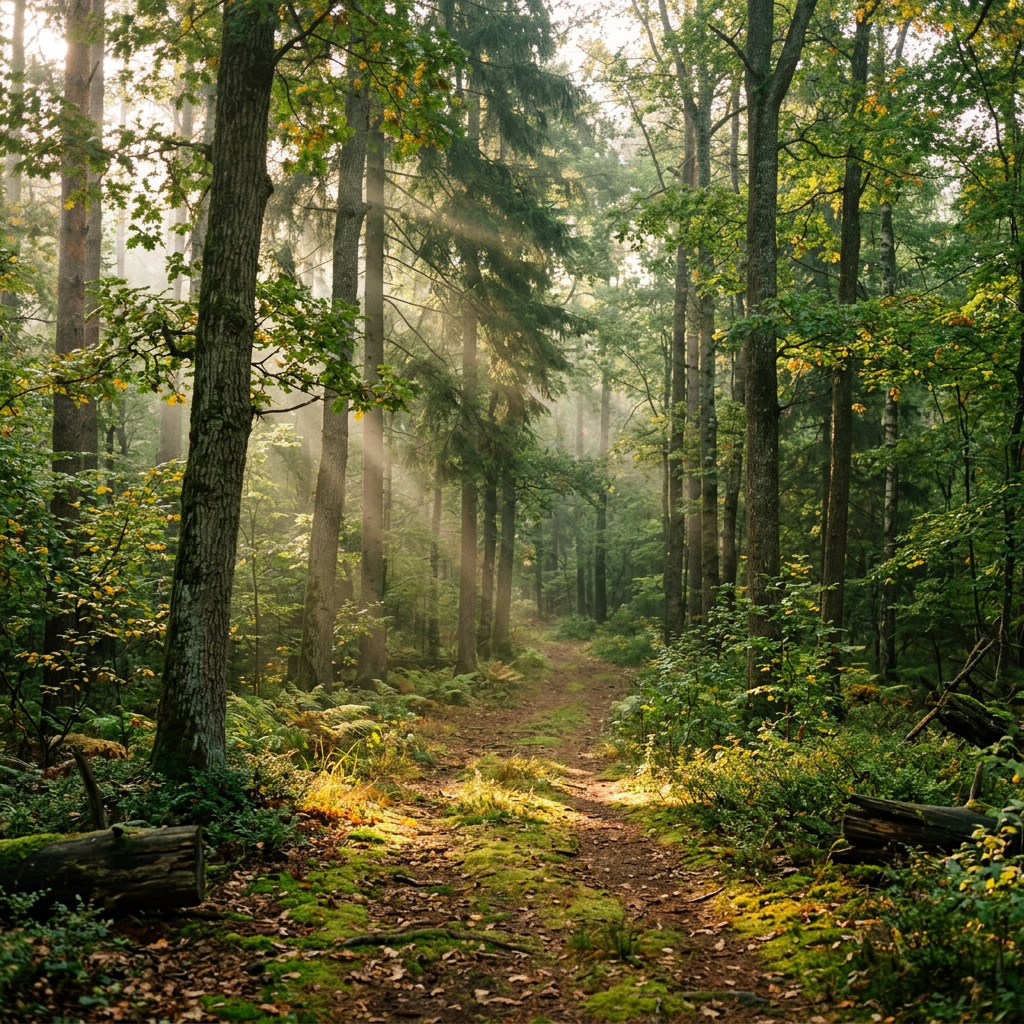
There is something timeless about camping. Whether it is waking up to birdsong, cooking over a campfire, or switching your phone off for the weekend, time outdoors has a powerful effect on both body and mind.
In a world filled with constant notifications, deadlines, and screen time, camping offers something increasingly rare:
- A break from constant notifications, deadlines, and screen time
- Space to slow down and reset mentally
- Reduced stress and a calmer state of mind
- Better sleep quality and more natural rest patterns
- Stronger connection with the people you are camping with
- Increased creativity and clearer thinking
- A positive impact across almost every area of wellbeing
Before you pack your bag, it is worth having a look at the top 10 camping essentials for beginners and browsing the best UK campsites for 2026 to find the right spot.
Here are 50 reasons why camping might be one of the best forms of self-care.
Mental Wellbeing Benefits
1. Reduces Stress: Nature naturally lowers cortisol levels, helping the body feel calmer and more balanced. The Mental Health Foundation notes that physical activity in natural settings is one of the most effective ways to manage everyday stress.
2. Improves Mood: Fresh air, movement, and sunlight all contribute to increased serotonin levels. Mind UK explains how nature boosts mood in ways that feel immediate and lasting.
3. Helps Reduce Anxiety: Stepping away from busy environments can quiet racing thoughts and promote calmness. The NHS recommends outdoor activity as a practical, accessible tool for managing anxiety.
4. Encourages Mindfulness: Camping helps people become more present and aware of their surroundings. Without a screen in front of you, it becomes easier to notice the small things: birdsong, the crackle of a fire, the feel of grass underfoot.
5. Gives the Brain a Break: Less screen time and fewer distractions help reduce mental overload. Research published in PNAS found that walking in natural environments reduces rumination compared to walking in urban settings.
6. Improves Focus Time in nature has been shown to restore attention and concentration. Attention Restoration Theory, developed by Rachel and Stephen Kaplan, explains why natural environments replenish our capacity to concentrate.
7. Encourages Slower Living: Camping naturally shifts life into a slower, simpler rhythm. There are no commutes, no calendars pinging, and no inbox to clear. Just the day in front of you.
8. Increases Creativity: Nature and new surroundings can inspire fresh ideas and creative thinking. A study by the University of Utah found that four days in nature improved creative problem-solving performance by 50 percent.
9. Boosts Self-Confidence Learning outdoor skills builds resilience and independence. From pitching a tent in the rain to navigating a new trail, small wins add up. Pair that with the right camping blanket wrap and you will feel ready for anything.
10. Helps Prevent Burnout: Taking time away from routines can mentally reset and recharge the mind. The Health and Safety Executive recognises work-related stress as one of the most common causes of absence in the UK, making proper rest outdoors more valuable than ever.
Physical Health Benefits
11. Improves Sleep Quality: Natural light exposure helps regulate the body clock for deeper sleep. A study published in Current Biology found that just one week of camping, without artificial light, reset participants’ circadian rhythms significantly.
12. Encourages More Movement: Walking, hiking, swimming, and setting up camp all help keep the body active. The NHS recommends at least 150 minutes of moderate activity each week, which is easy to clock up on an active camping trip.
13. Increases Vitamin D: Sunlight supports immune health, mood, and bone strength. Public Health England highlights vitamin D deficiency as a widespread concern in the UK, making time outdoors genuinely important.
14. Supports Heart Health: Outdoor activity helps improve cardiovascular fitness. British Heart Foundation research supports regular moderate exercise as one of the best things you can do for your heart.
15. Strengthens the Immune System: Time in natural environments may improve immune function. Research into shinrin-yoku, or forest bathing, suggests that phytoncides released by trees can increase natural killer cell activity.
16. Reduces Blood Pressure: Nature has a calming effect on the nervous system. A review in Environmental Health Perspectives found consistent links between exposure to green space and lower blood pressure.
17. Improves Breathing: Fresh outdoor air can feel revitalising compared to urban environments. DEFRA’s air quality data shows rural air quality is consistently better than city centres, making a trip to the countryside a genuinely cleaner breath.
18. Encourages Better Hydration Habits: Camping often makes people more mindful of water intake. When you are carrying your water or filtering it from a stream, you tend to think about it a great deal more than reaching for a tap.
19. Helps Reduce Sedentary Habits: Camping naturally involves more movement and less time spent sitting. Sport England regularly highlights how inactivity remains one of the biggest public health challenges in the UK.
20. Supports Healthy Energy Levels: Natural routines, rising with the light and winding down at dusk, often lead to more balanced daily energy. Sleeping under canvas in a well-chosen bell tent makes it surprisingly easy to fall into that rhythm.
Emotional Wellbeing Benefits
21. Creates a Sense of Freedom: Open spaces and adventure can feel emotionally uplifting in a way that is hard to replicate indoors.
22. Builds Resilience: Unexpected weather and outdoor challenges help strengthen adaptability. A soggy morning that you laugh about by lunchtime does wonders for perspective. Knowing how to stay cosy when camping helps enormously.
23. Encourages Gratitude: Simple moments in nature often create appreciation for everyday comforts. A hot drink after a cold night tastes better than anything brewed in a kitchen.
24. Strengthens Emotional Balance: Nature can help regulate emotions and improve overall calmness. The National Trust reports that almost nine in ten adults say being in nature makes them happy.
25. Promotes Joy Through Simplicity: Simple pleasures like campfires and sunsets become deeply satisfying when there is nothing competing for your attention.
26. Helps People Feel More Grounded: Being outdoors reconnects people with the present moment. Mind’s research on nature and mental health consistently finds that green space improves feelings of calm and relaxation.
27. Encourages Reflection: Quiet surroundings create space for clearer thinking. An evening sitting outside with nothing but open sky tends to bring things into perspective rather naturally.
28. Boosts Optimism: Travel and outdoor experiences often improve perspective. A large-scale study in Scientific Reports found that spending at least 120 minutes in nature each week was associated with significantly better wellbeing and health.
29. Creates Positive Memories: Shared adventures become meaningful long-term memories. The camping trips that go slightly wrong are often the ones people talk about for years.
30. Encourages Self-Discovery: Time away from normal routines can bring clarity and personal insight. Whether you are a first-timer or a seasoned camper, you tend to learn something about yourself out there.
Social Benefits of Camping
31. Strengthens Relationships: Camping encourages quality time without digital distractions. Phones go away, and conversations start. It is as simple as that.
32. Improves Communication: People naturally talk more around campfires and shared activities. There is something about sitting around a fire that opens people up.
33. Encourages Teamwork: Setting up camp and cooking together builds cooperation in a way that board games and team-building days rarely manage.
34. Creates Shared Experiences: Outdoor adventures often strengthen emotional bonds. A weekend at one of the best UK campsites can do more for a friendship or family than months of ordinary life.
35. Helps Families Reconnect Camping creates opportunities for uninterrupted family time. No homework, no after-school clubs, no separate screens. Just everyone, together, outside.
36. Encourages New Friendships: Campgrounds and outdoor communities are often wonderfully welcoming. The Camping and Caravanning Club has built an entire community around that spirit.
37. Reduces Social Pressure: Nature provides a more relaxed environment for connection. Nobody is dressed up, nobody is performing, and that tends to make everyone a little more themselves.
38. Builds Community: Shared outdoor interests create a strong sense of belonging. From dog-friendly family festivals to wild camping weekends, the outdoor community in the UK is a warm one.
39. Encourages Playfulness: Games, exploring, and outdoor activities help adults reconnect with fun. It turns out you do not need much to enjoy yourself when you are outside.
40. Supports Better Conversations: Without screens, conversations often become deeper and more meaningful. Research from the University of Michigan found that interaction with natural environments improves social connection and cognitive function.
Lifestyle and Long-Term Wellbeing Benefits
41. Reduces Screen Time: Camping naturally encourages a digital detox. Ofcom’s research shows UK adults spend an average of over four hours online each day, making a camping weekend a genuinely meaningful break.
42. Helps Reset Daily Habits: Time outdoors can inspire healthier routines back home. Many people return from camping with the urge to walk more, eat better, and sleep earlier.
43. Encourages Sustainable Living: Camping often increases awareness of nature and the environment. When you are living closer to it, you tend to care more about looking after it. Choosing eco-friendly toilet options is one small way that thinking shows up in practice.
44. Inspires Adventure: Exploring new places can reignite curiosity and motivation. Visit Britain highlights the enormous variety of outdoor landscapes across the UK, from the Scottish Highlands to the Jurassic Coast.
45. Helps People Appreciate Nature More: Regular exposure strengthens connection to the outdoors. The Wildlife Trusts run annual nature challenges that show just how quickly a regular outdoor habit can take hold.
46. Improves Work-Life Balance Stepping away from work creates healthier boundaries. CIPD research consistently finds that proper rest and disconnection are essential for long-term performance and health.
47. Encourages Simplicity Living with fewer possessions for a few days can feel mentally refreshing. Everything fits in a bag, and that is enough. If you are after kit that earns its place, the top camping shops in the UK are a great place to start.
48. Provides a Sense of Achievement Even small camping tasks feel rewarding and satisfying. Pitching a tent well, keeping a fire going, cooking a decent meal outdoors: these things feel good in a way that ticking off a to-do list rarely does.
49. Helps People Reconnect With Themselves Quiet time outdoors often brings mental clarity. The Campaign to Protect Rural England has long championed access to quiet, natural spaces as essential to national wellbeing.
50. Reminds People to Slow Down Camping encourages rest, reflection, and intentional living. In a culture that rewards busy, it is quietly radical to sit still and watch the light change.
Camping is far more than a holiday. It is an opportunity to rest, reconnect, and reset in ways modern life rarely allows. Whether it is a weekend in the countryside, a family trip to one of the best UK campsites, or sleeping beneath the stars on a wild camping adventure, time outdoors can have a lasting impact on mental, physical, and emotional wellbeing.
Pack well, including a good festival raincoat and a cosy camping blanket, and you are most of the way there. Sometimes the simplest things, fresh air, quiet mornings, and evenings around a fire, are exactly what people need most.
Explore more on the blog, browse our collections, read the journal, or find out more on the homepage.
Find Out More
If you would like to explore the research behind the wellbeing benefits of camping, nature exposure, and time outdoors check the articles below:
- NHS – Benefits of exercise and outdoor activity
- Mind UK – Nature and mental health guidance
- UK Government – Improving access to green spaces
- Nature exposure and health outcomes
- 120 minutes in nature per week improves wellbeing
- Nature exposure and mental health during lockdown
- The Guardian – Prescribing nature for better mental health
- The Guardian – Wild camping and wellbeing benefits
- Outjoyment Report – Camping and wellbeing study
It is clear that spending time in nature, especially through camping, supports better mental health, reduces stress, improves sleep quality, and enhances long-term wellbeing.
Even a short break outdoors can make a real difference, so if you can, take the opportunity this weekend to get outside and enjoy a camping trip.
Keep up to date with camping tips and advice. Subscribe to the newsletter below.