Tag: lifestyle

  • How to Create the Perfect Cosy Campfire Setup

    How to Create the Perfect Cosy Campfire Setup

    There is something special about camping evenings in the UK. The air gets cooler, the fire starts crackling, mugs of hot chocolate appear, and suddenly everything slows down.

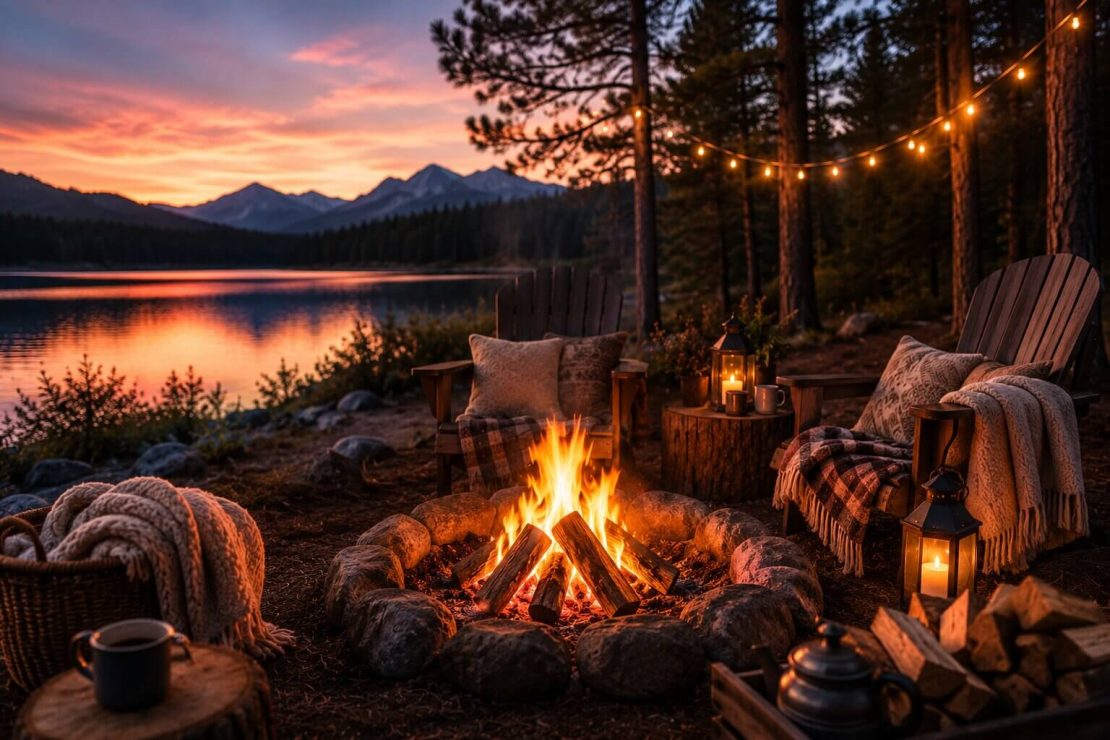
    Creating a cosy campfire setup is not about having the most expensive gear. It is about warmth, comfort, and making the outdoors feel like home. From camping in the Lake District to parking up by the coast in Cornwall, or simply spending an evening in the garden with friends, here is how to create the ultimate cosy campfire atmosphere.

    The Perfect Campfire Setup

    Creating a cosy campfire atmosphere is less about perfection and more about intention:

    Learn more below about creating the perfect cosy campfire experience, with our top tips and advice.

    1. Start with the Right Spot

    The best campfire setups feel sheltered, calm, and inviting. A good location sets the tone for the entire evening.

    Some ideal settings to consider:

    Position seating close enough to feel real warmth from the fire. Leave enough space to stretch out and relax. A view of the sunset or a clear night sky turns a good evening into an unforgettable one.

    Always follow the Countryside Code guidance on campfires and check local rules before lighting a fire on open land. Natural England provides clear guidance on responsible access to the countryside, and the Open Spaces Society is a brilliant resource for understanding your rights when exploring outdoor spaces. For inspiration on locations, explore the best camping staycations in the UK for 2026 or browse the top glamping campsites you must visit this year.

    2. Layer Up for Warmth

    British evenings cool down quickly, even in summer, so layering is everything.

    Think:

    • thick socks
    • oversized hoodies
    • knit hats
    • cushions
    • cosy camping blankets

    A good blanket becomes the centre of the whole evening. Wrapped around your shoulders, spread across camping chairs, or shared around the fire, it instantly makes the outdoors feel warmer and more comfortable.

    British evenings are beautifully unpredictable. Always check the Met Office forecast before you pack, as temperatures can drop sharply after sunset even in July and August. The NHS cold weather health advice is a useful reminder of how quickly the body loses heat in cooler outdoor conditions, particularly for children and older adults. If you are camping in summer, Cancer Research UK recommends sun protection during daylight hours before the campfire evening begins. Visit Britain offers helpful seasonal guides to planning outdoor trips across England.

    3. Create a Soft, Warm Atmosphere

    The smallest details make the biggest difference to how a campfire space feels. Atmosphere is everything.

    Simple additions that transform the mood:

    • Solar-powered lanterns or battery fairy lights
    • Enamel mugs for hot drinks
    • Neatly stacked firewood as a visual feature
    • Warm-toned lighting rather than harsh white
    • Soft, layered seating with cushions and throws
    • Natural textures like wood, wool, and linen

    The concept of hygge, the Danish art of cosiness and togetherness, translates perfectly to a British campfire evening. It is less about aesthetics and more about creating a feeling of warmth, safety, and genuine connection with the people around you.

    If you enjoy glamping-style comfort, take inspiration from the top glamping campsites in the UK for ideas on elevated outdoor living. Thinking about a more immersive overnight experience? The beginner’s guide to wild camping in the UK covers everything needed to feel confident under the stars.

    4. Don’t Forget the Campfire Food

    No cosy evening is complete without comfort food cooked over an open flame or enjoyed beside the fire.

    Campfire favourites worth planning ahead:

    • Toasted marshmallows on long skewers
    • Rich hot chocolate in enamel mugs
    • Mulled cider warmed slowly in a pan
    • Campfire toasties with melted cheese
    • Slow-cooked chilli over the fire
    • Simple snacks and sharing platters

    For recipe inspiration, Good Food’s camping recipes and their outdoor cooking ideas are both excellent starting points. Delicious Magazine outdoor cooking is also worth bookmarking for the season ahead.For a full day outdoors, the day camping guide for the UK includes meal and snack planning tips. For trusted places to buy camping cookware and kit, explore the top 10 camping shops in the UK.

    5. Slow Down and Enjoy the Moment

    The best part of any campfire evening is the simplest part.

    • Listening to the crackle of wood
    • Watching sparks drift up into the night sky
    • Feeling genuinely, properly relaxed
    • Talking without distraction or a time limit
    • Sitting in comfortable silence with people you love

    No rush. No screens. Just warmth, conversation, and fresh air.

    The Sleep Foundation notes that camping helps reset the body’s natural sleep rhythms, and time outdoors can meaningfully improve sleep quality. Healthline documents the physical benefits of outdoor time, from a stronger immune system to reduced stress hormones. BBC Science Focus brings together the wider evidence of why spending time in nature makes people feel so much better.These are the moments that make outdoor evenings unforgettable. For a full breakdown of what camping does for mental and physical health, read the top 50 wellbeing benefits of camping.

    6. Power Your Setup Sustainably

    Modern campfire setups can run entirely on clean energy. Solar-powered lanterns, USB-charged speakers, and portable solar panels mean no need for single-use batteries or noisy generators.

    The full guide to solar panels for camping trips and off-grid living covers everything from entry-level panels to full off-grid power systems. Solar Energy UK is the leading industry body for solar guidance, and Which? on solar panels provides independent advice on the best portable options for camping use.For festivals with a similar sustainable ethos, the top 10 dog-friendly family festivals in the UK for 2026 and top festival raincoats for camping are worth reading before the season begins.

    7. Look Up: Stargazing Around the Fire

    Once the fire settles into glowing embers, look up. The UK has some extraordinary dark sky locations perfect for stargazing after a campfire evening.

    Combining a campfire with stargazing turns a lovely evening into something genuinely memorable. For the full experience, a bell tent with a mesh roof panel is hard to beat.

    8. Build a Safe and Beautiful Fire

    A well-built fire is the heart of the entire setup. Safety always comes first.

    Why the Campfire Moment Matters

    Time around a fire is more than just pleasant. It is genuinely good for you.

    Mind points to nature and outdoor time as one of the most accessible tools for improving emotional wellbeing, noting that even camping helps keep depression and anxiety at bay. The Mental Health Foundation found that 70% of UK adults agreed that being close to nature improves their mood, and 49% said it helps them cope with stress. The NHS Every Mind Matters programme recommends regular time outdoors as part of a healthy lifestyle, as stepping away from devices allows the brain to genuinely rest and recover.

    The top 50 wellbeing benefits of camping go far beyond fresh air, and the science-backed health benefits of being in nature confirm what most campers already feel instinctively. A campfire simply makes it cosier.

    Sitting around a fire, away from screens, away from noise, and away from the pace of daily life is one of the most restorative things a person can do. BBC Science Focus reports that studies show biological markers of stress reduce and psychological wellbeing improves when people spend time in the natural world.

    For families, the benefits run even deeper. The Forest School Association explains how outdoor time builds confidence and resilience in children, while the RSPB highlights the long-term emotional benefits of connecting children with the natural world from an early age. Common Sense Media shows how screen-free shared activities build attention, creativity, and family connection in ways digital environments cannot replicate.

    Discover Cosy Campfire Blankets

    Warm blankets, good company, a fire under the stars, and the right food are genuinely all that is needed for a good camping trip.

    The UK has some fantastic blanket makers that lean heavily into sustainable materials like British wool, recycled cotton, and even bamboo..

    The top 10 natural fibres for outdoor blankets covers British wool, bamboo, recycled cotton, and organic lambswool in detail. The Campaign for Wool champions natural wool as a sustainable, biodegradable fibre, and British Wool provides full traceability from farm to finished product.

    When shopping for sustainable textiles, the Soil Association organic textile guide and Ethical Consumer are excellent starting points. Always look for certifications such as GOTS for organic cotton and Fair Trade UK for ethically sourced fibres. The Ellen MacArthur Foundation explains the circular economy principles the best sustainable blanket brands now follow. If you are unsure about brand claims, Which? on greenwashing helps identify genuine eco-credentials from marketing spin.

    Here are the top 10 UK blanket brands:

    1. Atlantic Blankets Based in Cornwall, Atlantic Blankets specialise in recycled wool and cotton. Their Ocean Promise range draws on coastal heritage and genuine environmental commitment. Shop Atlantic Blankets

    2. The Wool Room The only natural bedding brand approved by Allergy UK, The Wool Room pays fair prices to British farmers and uses 100% natural, traceable wool throughout. Shop The Wool Room

    3. Yorkshire Blankets This family business uses surplus yarn from Yorkshire mills that would otherwise go to landfill. Many blankets are one-off runs, making each genuinely unique. Shop Yorkshire Blankets

    4. Country Mouse Country Mouse focuses on Swedish Eco Lambswool and recycled wool throws that are remarkably soft compared to traditional recycled options. Shop Country Mouse

    5. Ethical Bedding A B-Corp certified brand built around high-performance sustainable fabrics. Their BottleBounce blanket blends bamboo with recycled plastic bottle waste. Shop Ethical Bedding

    6. National Trust Shop The National Trust offers beautifully crafted wool throws, many woven in traditional UK mills. Newer lines use entirely recycled wool. Shop National Trust

    7. Northern Woven Inspired by northern England, this brand creates contemporary artistic throws from post-production cotton waste. Bold, modern designs that work indoors and out. Shop Northern Woven

    8. Panda London The go-to brand for plant-based materials. Panda London bamboo blankets are naturally antibacterial, hypoallergenic, and highly breathable around a fire. Shop Panda London

    9. J.J. Textile Original designs featuring charming animal prints. All blankets are 100% natural and fully biodegradable. Shop J.J. Textile

    10. Ethical Superstore A curated marketplace for the best ethical throws in the UK, including Fair Trade and GOTS-certified organic cotton options from independent artisans. Shop Ethical Superstore

    For a deeper look at sustainable camping kit, explore 50 ways to make your camping trip more sustainable and the eco camping revolution guide.

    Explore more on the blog:

    Keep up-to-date with camping tips and advice. Subscribe to the newsletter below:
  • Best Sustainable Campsites in the UK (2026 Guide)

    Best Sustainable Campsites in the UK (2026 Guide)

    Camping is often seen as a low-impact way to enjoy nature, but in practice, it can generate a surprising amount of waste. Many campers rely on single-use plastics such as:

    • water bottles
    • food wrappers
    • disposable cutlery
    • hygiene products.

    On top of that, cheaply made gear often breaks after one or two trips and ends up in a landfill. These habits can quietly undermine the very environments people go out to enjoy.

    The good news is that camping can be one of the easiest activities to make more sustainable. With some thoughtful planning and a few swaps, you can reduce waste, save money, and have a more intentional outdoor experience.

    Our guide to 50 ways to make your camping trip more sustainable is a great place to start, and choosing natural fibre blankets and accessories over synthetic alternatives is one of the simplest swaps you can make. For wider guidance on responsible outdoor habits, the Leave No Trace principles are the internationally recognised standard for low-impact camping.


    The Best Sustainable Campsites in the UK

    • Eco Escape Campsite is a highly rated eco-focused campsite in Pembrokeshire, Wales, designed around sustainability and nature immersion. It emphasises minimal environmental impact and encourages guests to camp responsibly and consciously.
    • Fen End Farm and The Orchard Campsite is a farm based campsite near Cambridge that integrates conservation, wildlife protection, and sustainable farming practices. It has earned recognition for its environmental work and invests in ongoing eco projects and biodiversity initiatives.
    • Fire and Stars, Woodland Camping and Community Sauna, is a woodland. campsite in the National Forest, Leicestershire, designed around impact living and community. It encourages simple camping, connection with nature, and minimal disturbance to the surrounding forest environment, making it ideal if you are exploring wild camping in the UK for the first time.
    • Mount Pleasant Eco Park is an eco park and campsite in Cornwall that combines camping with sustainability education, renewable energy use, and community driven environmental initiatives.
    • Lee Valley Almost Wild Campsite is a nearly wild campsite near London that limits facilities and encourages low impact camping. The focus is on simplicity, space, and respecting nature, making it a great option for a camping staycation close to the city.
    • Eco Camping Wales is a dedicated eco campsite in the Brecon Beacons with strong sustainability principles, offering a quiet, nature-focused experience that prioritises environmental responsibility.
    • Wild Cherry Camping is a small-scale campsite on the North Wales borders designed to blend into its natural surroundings, offering a peaceful, low-density camping experience that reduces environmental strain.
    • The Secret Campsite is a low density woodland campsite in East Sussex with limited pitches to reduce impact on the environment and preserve wildlife habitats. Smaller capacity helps maintain a quieter, more sustainable experience, making it perfect for a cosy campfire evening under the stars.
    • Woodhouse Farm Eco Camping is a farm based eco campsite in Devon that promotes sustainable land use and simple camping with minimal infrastructure, with stunning views over the Kingsbridge estuary.

    Why These Campsites Stand Out

    Across these locations, a few consistent sustainability principles emerge:

    • Low density pitches reduce pressure on land and wildlife
    • Renewable energy and composting systems cut resource use
    • Reclaimed or natural materials reduce construction impact
    • Wildlife conservation and rewilding actively improve biodiversity

    Many eco-focused campsites in the UK are also intentionally simple, encouraging campers to reconnect with nature rather than rely on energy-intensive facilities. The Greener Camping Club is the leading UK membership scheme for sustainable campsites and a reliable starting point when researching where to book.

    Research consistently shows that spending just two hours per week in nature is linked to better mental wellbeing, so choosing a sustainable campsite means your trip is good for you and the environment. For a deeper look at why, read the top 10 science-backed health benefits of being in nature.


    How to Choose a Sustainable Campsite

    When booking, look for:

    • Membership of schemes like the Greener Camping Club
    • Evidence of renewable energy or water saving systems
    • Limited pitch numbers and low density layouts
    • Clear environmental policies or conservation projects
    • Natural or recycled materials used in facilities

    For a wider checklist of sustainable choices, see our guide to 50 ways to make your camping trip more sustainable and the eco camping revolution and 10 natural fibres for outdoor blankets.

    Choosing the right campsite reinforces all the sustainable habits you bring with you, including packing a natural fibre camping blanket that is kind to the planet as well as cosy around the fire.


    Plan Your Sustainable Trip

    Once you have chosen your campsite, make sure you are fully prepared:


    Keep up to date with sustainable camping tips and new collections. Subscribe to the newsletter below:

  • 50 Sustainable Camping Habits to Reduce Your Environmental Impact

    50 Sustainable Camping Habits to Reduce Your Environmental Impact

    Camping is often seen as a low-impact way to enjoy nature, but in practice, it can generate a surprising amount of waste. Many campers rely on single-use plastics, including:

    • water bottles
    • food wrappers
    • disposable cutlery
    • travel-sized hygiene products.

    Cheaply made gear breaks after one or two uses and ends up in landfill. These habits quietly undermine the very environments we go outdoors to enjoy.

    If you are wild camping for the first time, heading to one of the UK’s best sustainable campsites, or planning a day camping adventure, these 50 habits will help you tread more lightly and enjoy it more fully.


    Planning and Packing

    The most sustainable camping trip starts at home. Careful planning reduces waste, cuts costs, and lowers your carbon footprint before you even leave the driveway. The Met Office’s sustainable travel guidance consistently emphasises that transport choices are among the biggest factors in a trip’s overall environmental impact.

    1. Pack only what you truly need. Fewer items mean less clutter, less waste, and a lower environmental cost from transporting unnecessary gear.
    2. Choose lightweight gear to reduce fuel use. Lighter loads mean your vehicle uses less fuel — a simple way to cut carbon emissions before the trip begins.
    3. Borrow or rent equipment instead of buying new. Sharing gear avoids unnecessary manufacturing and is ideal for items you’ll only use occasionally.
    4. Buy second-hand camping gear. Pre-owned equipment extends the life of products. Check Vinted or eBay for quality used kit.
    5. Avoid duplicate items. One of each essential is enough; over-packing duplicates is one of the most common and easily avoided forms of camping overconsumption.
    6. Plan meals in advance. Meal planning helps you bring the right quantities and avoid throwing away unused food.
    7. Prep food at home to reduce packaging. Chopping and portioning before you leave reduces the need for packaged convenience items bought en route.
    8. Use a checklist to avoid overpacking. A simple list keeps you focused on essentials and prevents impulse packing.
    9. Travel closer to home. Shorter journeys significantly reduce your environmental impact. The UK has extraordinary camping staycations on your doorstep.
    10. Carpool or use public transport. Sharing a ride lowers per-person emissions meaningfully. See Met Office sustainable travel tips for more.

    Reducing Single-Use Plastics

    Single-use plastic is one of camping’s most visible problems and one of the easiest to address. Pairing natural-fibre camping accessories with these swaps creates a noticeably more considered kit.

    1. Bring a reusable water bottle. Refillable bottles eliminate disposable plastic entirely. Look for insulated stainless steel options.
    2. Use refillable containers for food. Glass jars and silicone bags keep food fresh while cutting single-use packaging.
    3. Swap cling film for reusable wraps. Beeswax or plant-based wraps replace plastic film and look far nicer at a camp table.
    4. Pack reusable shopping bags. Useful for camp shop runs and prevents the need for plastic bags.
    5. Use metal or bamboo cutlery. Durable utensils can be washed and reused indefinitely.
    6. Bring a reusable coffee cup. Essential if you stop at a café en route, most takeaway cups are lined with plastic and difficult to recycle.
    7. Avoid individually wrapped snacks. Buy in bulk and divide yourself. Nuts, dried fruit, and oatcakes work well in reusable bags.
    8. Use refillable toiletry bottles. Bring only what you need without buying travel-sized plastics every trip.
    9. Switch to bar soap and shampoo. Solid toiletries last longer, are lighter to carry, and usually come with minimal packaging.
    10. Skip disposable plates and cups. Reusable dishware is sturdier and more enjoyable. Enamelware is particularly popular for campfire meals.

    Sustainable Food and Cooking

    Food preparation is where many camping trips quietly generate the most waste. Simple cooking also tends to be the most memorable; there is something deeply satisfying about a one-pot meal around a well-made campfire.

    1. Buy food in bulk before your trip. Bulk buying reduces packaging and often saves money. Local markets and zero-waste shops are ideal.
    2. Choose foods with minimal packaging. Loose vegetables, unpackaged bread, and simple whole foods cut down on what you carry and dispose of.
    3. Store food in reusable jars or tins. Durable containers keep food organised and stack far better than loose packets in a cool bag.
    4. Bring a cooler instead of disposable bags. A well-insulated box keeps food fresh for days, a genuine long-term investment.
    5. Compost food scraps where possible. Many eco-certified UK campsites now offer on-site composting.
    6. Cook simple meals with fewer ingredients. Simpler meals reduce packaging, prep time, and leftover waste, and often taste the best after a long day outdoors.
    7. Avoid food waste by portion planning. Estimating carefully ensures you eat what you bring and carry a lighter pack home.
    8. Bring a reusable cloth instead of paper towels. A few cotton cloths replace an entire roll of paper towels and take up barely any space.
    9. Use biodegradable dish soap. Eco-friendly soap breaks down more safely in the environment and is essential for washing up near streams or lakes.
    10. Eat local produce to reduce food miles. Choosing food grown near your campsite supports local farmers and cuts transport emissions.

    Eco-Friendly Gear Choices

    Your gear is a long-term investment. Choosing well once beats replacing a cheap kit every season. UK camping shops increasingly stock durable, responsibly made gear. The Arun District Council sustainable shopping guide offers useful tips on longer-lasting products.

    1. Invest in durable, long-lasting gear. High-quality equipment costs more upfront but dramatically reduces waste over time. Think cost-per-use, not sticker price.
    2. Repair equipment instead of replacing it. Tent repair kits, sleeping bag patches, and boot resoling are all worth learning.
    3. Choose products made from recycled materials. These create demand for recycled resources. Look for honest certification labels.
    4. Avoid cheap gear that breaks easily. Low-quality products often fail within a season. Slow fashion applies to outdoor gear too.
    5. Use solar-powered lights or chargers. Read our guide to solar panels for camping trips for practical off-grid advice.
    6. Rent speciality gear for occasional trips. Kayaks, paddleboards, and climbing equipment are ideal for renting rather than buying.
    7. Choose multi-use items. A good camping blanket wrap, for instance, serves as insulation, a picnic layer, and a windbreak all at once.
    8. Look for repairable products with warranties. Products designed to be fixed are far more sustainable than those intended to be discarded.
    9. Avoid fast fashion outdoor clothing. Consider natural fibres for camping blankets and base layers for longer-lasting warmth.
    10. Store gear properly to extend its lifespan. Drying tents before packing and hanging sleeping bags loosely keeps kit usable for years. See Met Office advice on preparing gear for all conditions.

    Waste Reduction and Disposal

    The “leave no trace” principle is the foundation of sustainable camping. The GOV Countryside Code and the Lake District National Park reinforce the same message: take everything out that you brought in, and leave each site better than you found it.

    1. Follow the “pack it in, pack it out” principle. Take all the waste home. No exceptions, not even “natural” food scraps.
    2. Separate recyclables from general waste. Sorting properly dramatically increases the chances materials are actually recycled.
    3. Bring reusable rubbish bags. Durable bags last multiple trips and reduce the need for disposable bin liners.
    4. Dispose of waste at designated facilities. Many UK campsites now have recycling and composting stations on site.
    5. Avoid leaving any litter behind. Even a bottle top or crisp wrapper can harm ecosystems and wildlife.
    6. Pick up litter you find along the way. Research confirms that active engagement with nature also boosts personal wellbeing.
    7. Minimise packaging before you leave home. Decant everything into reusable containers the evening before you set off.
    8. Use biodegradable products where possible. Middlesbrough Council’s green tips give useful everyday guidance on making these swaps.
    9. Keep food waste sealed to avoid wildlife issues. Proper storage keeps both campers and wildlife safe, particularly important in the Lake District and other sensitive habitats.
    10. Leave your campsite cleaner than you found it, the most powerful habit of all and the one that matters most to the landscapes we love.

    Sustainable camping is not about perfection. It is about making better choices where you can. The joy of camping, the profound wellbeing benefits, the stronger family bonds, and the genuine stillness of being outdoors are inseparable from the health of the landscapes that make it possible.

    From bell tent camping to UK glamping, these habits travel with you. Planning a festival season? Our guides to the best dog-friendly UK festivals and top festival raincoats cover the kit worth investing in. For staying warm sustainably, 10 easy ways to stay cosy when camping is a good place to start.


    Further Reading

    Keep up-to-date with camping tips and advice. Subscribe to the newsletter below: